
The wisdom is to know when
- eli1175
- Jan 14
- 2 min read
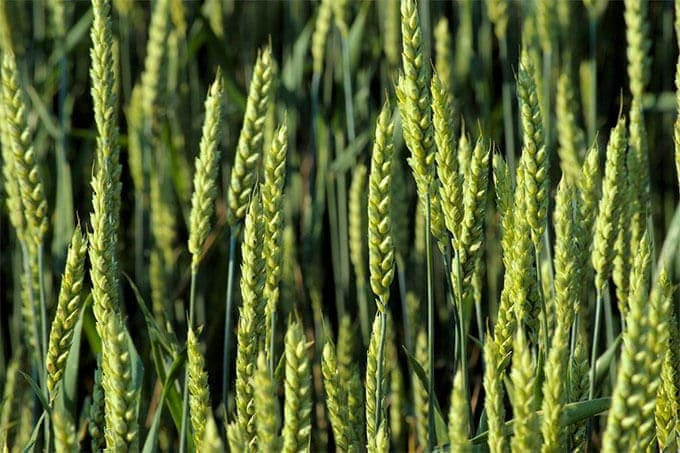
In parshas Va’eira, we encounter one of the most visually dramatic moments of the ten plagues: the plague of hail. Fire and ice descend together, smashing the Egyptian landscape with unprecedented force. Yet the Torah pauses to tell us something seemingly technical, almost agricultural: certain crops were destroyed, while others survived.
The flax and barley, which had already ripened and hardened, were shattered by the hail. The wheat and spelt, however, were still soft and unripe. Instead of resisting the storm, they bent. And because they bent, they survived.
This detail is far more than a farming report. It is a profound insight into human resilience.
There are moments in life when strength means standing firm. When a person must be unyielding, principled, and immovable—like iron. When values are on the line, when integrity is tested, when truth must be upheld regardless of pressure, cost, or convenience. In those moments, bending is not wisdom; it is compromise. A person must know who they are and what they stand for, and refuse to be pushed off course.
But Va’eira teaches us that rigidity is not always strength.
There are other moments when survival itself depends on flexibility. When insisting on being “right” may lead to being broken. When wisdom lies not in resistance, but in adaptation. In thinking ahead. In asking not only, “What is correct right now?” but “What outcome am I ultimately trying to preserve?”
The unripe crops were not weak. They were unfinished. And because they were still growing, they had the capacity to bend without breaking. Their softness was not a flaw—it was a strategy for survival.
We see this same principle reflected in Jewish law itself, particularly in the laws of Shabbat. Shabbat is one of the most sacred pillars of Jewish life, protected by layers upon layers of laws designed to preserve its sanctity. And yet, in a situation of danger to life, all of those laws fall away. One may call an ambulance. One may drive to a hospital. One may violate Shabbat without hesitation.
Why? Because preserving life comes first.
The Talmud explains it with remarkable clarity: it is better to break one Shabbat so that many more Shabbatot can be kept in the future. This is not a weakening of values—it is their fulfillment. It is knowing when firmness serves holiness, and when flexibility does.
Life constantly presents us with storms. Some demand that we plant our feet and refuse to move. Others demand that we bend just enough to make it through intact. The challenge is not choosing one approach, but knowing which moment calls for which response.
Va’eira reminds us that true strength is not found only in hardness. Sometimes, the ability to yield—to adapt, to compromise strategically, to preserve what truly matters—is what allows us to live another day, grow further, and ultimately become stronger than before.
The wisdom is not just to stand firm. The wisdom is to know when.


